
Sidewalks, Walkways & Flatwork
Create safe, attractive pathways and flat concrete surfaces that connect spaces and enhance your property.
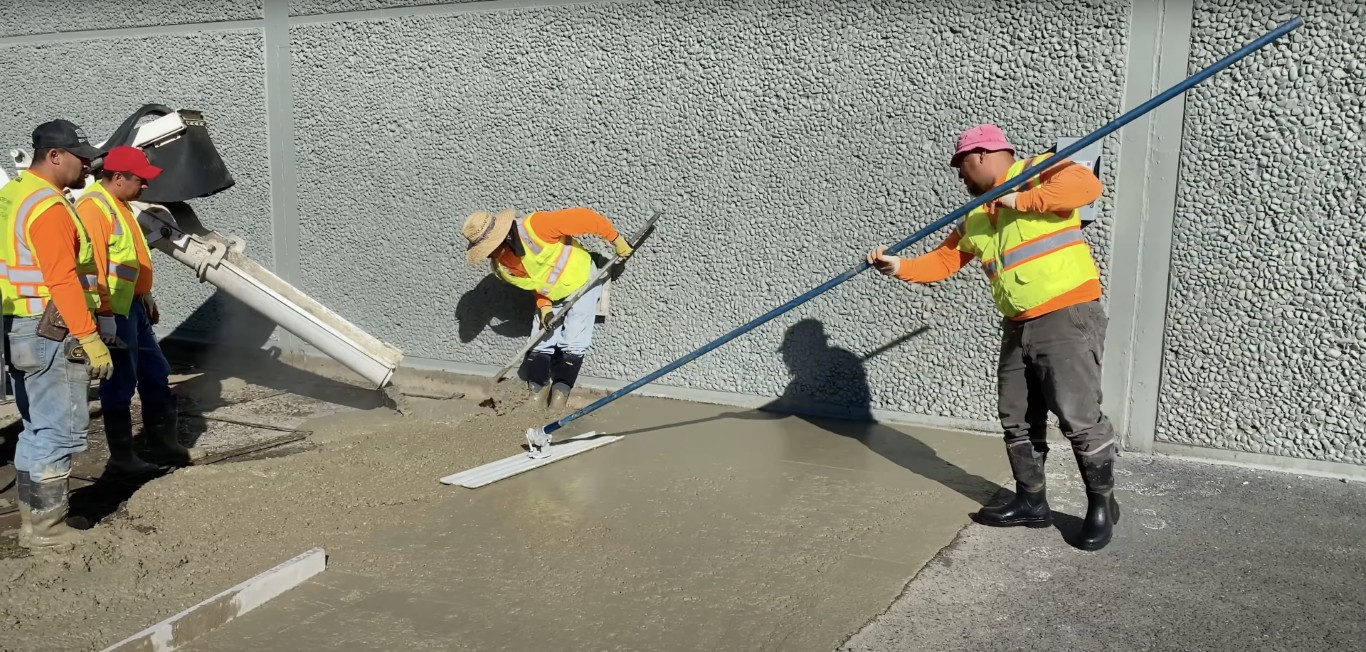
Types of Flatwork We Install
Flatwork refers to any horizontal concrete surface installed at ground level. This includes sidewalks, walkways, paths, parking pads, and various other applications where you need a flat, stable surface. Each type serves specific purposes and requires proper installation techniques to ensure durability and safety.
Public sidewalks along streets must meet local code requirements for width, thickness, and slope. These specifications ensure accessibility for wheelchairs and strollers while providing proper drainage. We handle all permit requirements and build sidewalks that pass inspections the first time. Your new sidewalk eliminates trip hazards and improves neighborhood appearance.
Common Flatwork Applications
- Front walkways connecting driveways to front doors
- Backyard paths linking patios to gardens or sheds
- Side yards providing access around your home
- Equipment pads for air conditioners and generators
- Trash enclosure pads and utility areas
- Parking pads for extra vehicles or RVs
Decorative walkways enhance curb appeal while serving practical functions. We install curved paths, stamped patterns, or colored concrete that complements your landscaping. These custom touches make your property stand out without sacrificing durability. Proper base preparation and reinforcement ensure your walkways handle foot traffic and weather for decades. When you need professional results, trust our concrete contractor services in Westland, MI for all your flatwork needs.
Design Considerations for Walkways
Width affects both function and appearance. A 36-inch wide walkway accommodates single-file traffic comfortably. Wider paths of 48 to 60 inches allow two people to walk side by side. Front walkways typically use wider dimensions for better proportion with your home, while side yard paths can be narrower since they see less traffic.
Path layout should follow natural traffic patterns and provide direct routes between frequently used areas. Gentle curves add visual interest and work better in landscaped settings. Straight paths suit formal designs and require less cutting and forming. We help you choose layouts that balance aesthetics with practical movement through your property.
Safety and Accessibility Features
Proper slope prevents water from pooling on walking surfaces while meeting accessibility guidelines. We maintain gradual grades that drain water without creating steep sections that become slippery when wet. Expansion joints placed at regular intervals prevent cracking from temperature changes. These joints also create visual breaks that improve appearance on long runs of concrete.
Surface finish choices impact safety and aesthetics. Broom finishes provide good traction in wet conditions while maintaining a clean, traditional look. Exposed aggregate adds texture and slip resistance. We avoid overly smooth finishes on outdoor walking surfaces since they become dangerously slick when wet or icy. Proper finishing techniques ensure your walkways stay safe year-round. For more decorative options, explore our stamped and decorative concrete services.
How We Install Quality Flatwork
Site preparation starts with marking the path location and removing sod, roots, and organic material. We excavate to the proper depth based on soil conditions and intended use. Stable soil may only require four inches of concrete, while softer ground needs additional base material. Getting the excavation right prevents settling that creates uneven surfaces and trip hazards.
Base installation provides a stable platform for your concrete. We add crushed stone in layers, compacting each lift to achieve maximum density. This prevents voids that lead to settling. The base also facilitates drainage by allowing water to percolate away from the concrete rather than accumulating underneath where it can cause frost heave damage during winter.
Pouring and Finishing
Forms create clean edges and hold concrete at the correct height and width. We set forms level with proper slope for drainage, then place wire mesh or rebar reinforcement before pouring. Fresh concrete gets screeded, floated, and finished with your chosen texture. Edging tools create rounded corners that resist chipping. Control joints cut into the surface direct cracking to planned locations.
Curing allows concrete to develop full strength. We apply curing compounds or cover fresh concrete with plastic sheeting to retain moisture during the critical first week. Proper curing reduces cracking and improves durability. Most walkways cure enough for foot traffic within 24 hours, though we recommend waiting several days before heavy use. The result is a professionally installed walking surface built to last. Learn more about our complete concrete installation services for all types of projects.